
Part II: Choosing What Sustains You in 2026
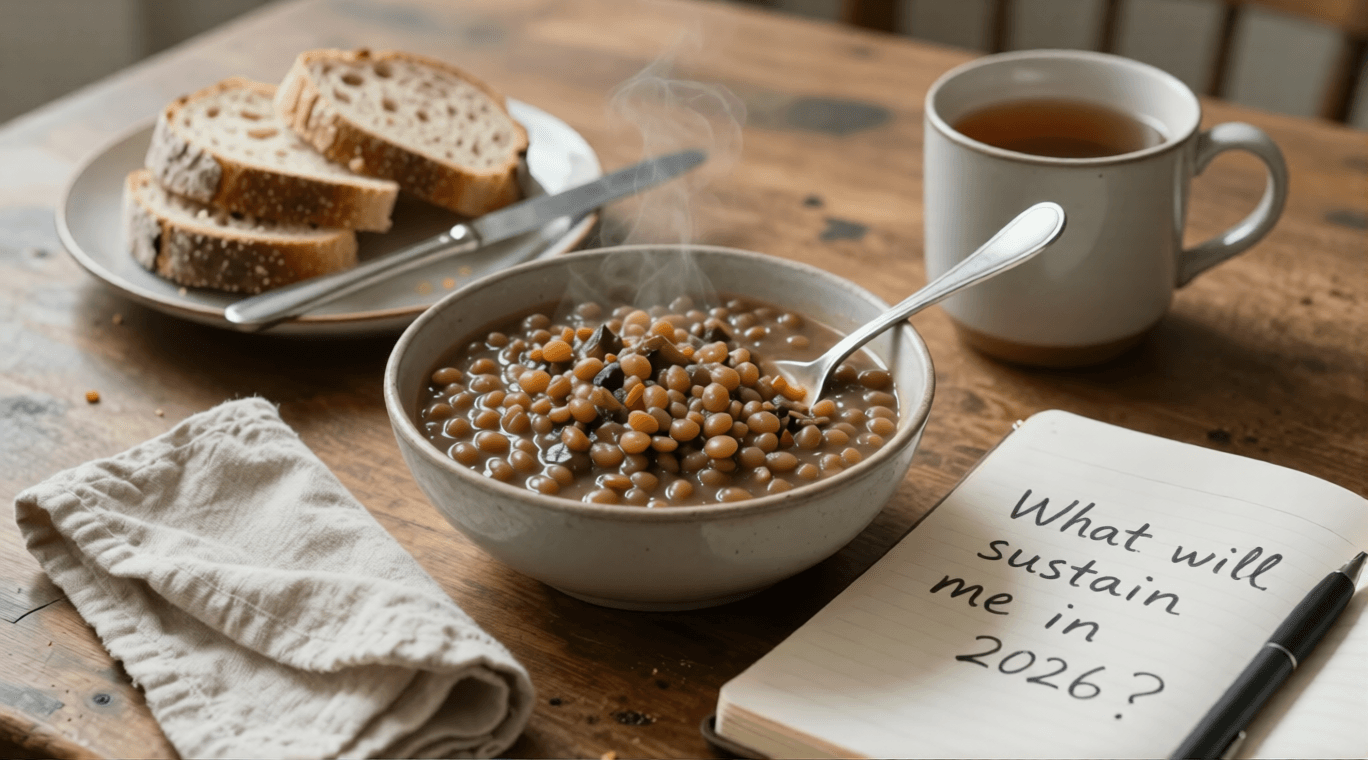
Let Slow, Steady Care Guide Your Year
You already know shortcuts won’t create the life or the health you’re after. Real change asks for something deeper than surface solutions. It calls for a shift in values — away from urgency and self-neglect, and toward a more grounded relationship with yourself. In 2026, that shift is clear: choosing sustainable care.
Sustainable care begins with the belief that your well-being is worth the effort. It isn’t driven by cultural currents, fleeting motivation, or rigid discipline — it’s a steadier kind of devotion, built on respect rather than force. It shows up in the quiet, intentional work of nourishing your body, moving regularly, resting without guilt, and treating yourself with compassion — especially when it’s inconvenient, unglamorous, or unseen.
In the year ahead, let sustainable care become your default. Cultivate rhythms your body and mind can rely on — rooted in consistency, not perfection. These are the habits that don’t burn you out or fade by February, but slowly create resilience, stability, and trust in yourself.
Part I helped us see what didn’t work — and why (read it here: https://vegancurator.com/blog/learn-from-2025-nutrition-trends ). Part II is about what does: care that is practiced, lived, and lasting. It begins with mindset and takes shape in daily choices. And here, that starts with what’s on your plate.
1. Build a Smarter Foundation
In 2026, begin with learning. True health requires understanding — how your body functions, what nourishes it, and what happens when the basics are ignored.
Much of today’s conversation around well-being, especially around weight, centers on medication as a solution. We saw this in Part I with the rise of GLP-1 drugs. But the evidence is clear: while medications can help, their effects fade without continued use. Lasting health still depends on what you eat, how you live, and how you care for yourself day to day [1].
That’s not a failure. It’s a signal that no single tool can replace a strong foundation.
When you understand how food fuels energy, shapes metabolism, and supports your body’s ability to perform, you’re less likely to rely on any one intervention. If medication plays a role, it becomes part of a broader, more robust strategy.
Sustainable care starts with knowledge. Learn how to nourish yourself, and gain the clarity to move forward on solid ground.
2. Choose Wholesome, Wisely
As your insight into nutrition grows, one principle stands out: whole and minimally processed foods are the core of a healthy diet. These foods — the ones that still resemble where they came from — provide fiber, structure, and naturally balanced nutrients that help the body regulate appetite and energy more reliably.
Ultra-processed foods do the opposite. Designed to override fullness cues and intensify cravings, they disrupt your body’s natural rhythm. Research shows that reducing these foods improves health outcomes, even without counting calories or following strict rules [2, 3].
Whole foods are a powerful starting point, but not everything that appears wholesome is truly nourishing. Familiar or simple foods can still fall short nutritionally. Take the examples from Part I: whole milk, eggs, and beef tallow — foods often regarded as healthy, but when they dominate the plate, they can compromise long-term well-being.
Greater metabolic support comes from plant-based staples — vegetables, beans, lentils, whole grains, nuts, seeds, tofu, and tempeh. These foods help regulate blood sugar, improve digestion, and, in many cases, reduce the need for medication [4].
Choose whole foods not just for their tradition, but for where they can take you — toward stronger, more sustainable health.
3. Let Plants Lead the Way
Once whole, plant-based foods become more central, the next step is to shape your entire diet around them — adopting this way of eating gradually, without pressure or overnight change.
Plant-forward diets tend to support the body’s natural processes more reliably than those centered on animal foods. Large studies published in 2025 support this, showing that people who ate mostly plant-rich meals experienced better long-term trends in blood pressure, blood sugar, and cholesterol, along with lower rates of major cancers such as colorectal, breast, and prostate [5, 6].
And the benefits don’t stop at prevention. In more complex situations, including Type 1 diabetes, shifting toward a more plant-centered way of eating has been shown to ease daily management and improve key metabolic markers [7].
If a fully plant-based diet feels daunting or intimidating, you don’t have to jump in all at once. Even shifting toward a plant-forward Mediterranean-style pattern — rich in vegetables, fruits, whole grains, legumes, and healthy fats — can offer real benefits, including a lower risk of Alzheimer’s [8]. Progress matters more than perfection.
As more plants make their way onto your plate, aim for a pattern you can maintain — one where each meal quietly supports the health you’re building over time.
4. Make Meat Rare
Eating more plant foods naturally leaves less room for meat — but that change works best when it’s deliberate. Choosing to reduce meat intake is a meaningful step toward better long-term health. Other countries are already moving in this direction. In 2025, Belgium released new dietary guidelines recommending a reduction in red and processed meat [9].
This policy reflects a growing international consensus — backed by strong evidence. The World Cancer Research Fund now classifies red and processed meats as causes of colorectal cancer, noting that even small amounts of processed meat may increase risk [10]. This position is reinforced by a recent analysis linking both to higher disease risk [11].
Plant-based proteins tell a different story. Higher intakes are linked to better heart health, lower inflammation, and fewer chronic conditions [12]. This is why Belgium’s guidelines also call for increasing plant-based proteins — like legumes, whole grains, and nuts — to improve overall diet quality. These foods offer satiety along with fiber, healthy fats, and protective nutrients — without the byproducts linked to adverse health outcomes.
Let meat become the exception, not the expectation — and let your choices reflect the future you’re building through sustainable care.
5. Curate Balanced Satiety
As meat steps back, it’s natural to wonder whether meals will still keep you full — especially since meat is often seen as the primary source of protein. While plant protein is a strong substitute, it’s just one part of the picture. And as we explored in Part I, more doesn’t always mean better — including when it comes to protein. Satiety isn’t about maximizing a single nutrient, but about the balance of what’s on your plate and how you eat it.
Several nutrients work together to sustain you over time [13–15]:
- Fiber, one of the most important contributors, slows digestion, adds bulk, and supports your gut’s natural fullness signals.
- Minimally processed carbohydrates provide steady energy and contribute to lasting satiety, largely because they retain fiber and are built from longer chains that take more time to break down than refined forms.
- Healthy fats, especially unsaturated fats from foods like olives, nuts, seeds, and avocados, delay the return of hunger while also supporting favorable lipid responses when they replace saturated fats.
How you eat matters just as much as what you eat [14]. Solid foods — which require chewing — engage more satiety signals than liquids. Slowing down gives your body time to register fullness.
Satiety depends on more than one nutrient. You don’t need excessive protein to feel full — pair it with fiber, slow-digesting carbohydrates, and healthy fats for a balanced approach. And don’t forget: chew your calories, and take your time.
6. Turn Down the Sweetness
Once meals become more nourishing, it helps to notice how often sweetness shows up — because even small doses of added sugar or sweeteners can disrupt your appetite, energy, and mood throughout the day.
That influence can have lasting effects. High sugar intake is linked to increased cardiometabolic risk, and most guidelines now recommend keeping it under 25 grams per day — about six teaspoons — to reduce long-term harm [16].
But most people far exceed that. Nearly one-third of adults get more than 15% of their calories from added sugars, well above the recommended limit of 10% [17]. Sugary drinks are the largest contributor — more than half of added sugars in high consumers come from sweetened beverages and teas [17].
Artificial sweeteners aren’t a free pass. A 2025 Neurology study found faster cognitive decline in those with the highest intake of low- or no-calorie sweeteners [18]. While observational, the findings echo earlier research linking heavy sweetener use to metabolic and gut-related changes.
Rather than swapping one sweet fix for another, the deeper shift is about how often you rely on sweetness at all. Keep drinks unsweetened or simply make them occasional. From there, adjust slowly. Let desserts stay treats, and reach for whole fruit instead of cookies, candy, or ice cream. Make sugar a choice, not a habit.
7. Go Slow to Go Far
All of these shifts only matter if they last — which is why pacing yourself is essential. Real change doesn’t come from doing everything at once; it comes from simple actions you can return to, even on imperfect days.
The goal isn’t to overhaul your life in January. It’s to still be caring for yourself in June, October, and next New Year’s Eve.
Most people never get that far. Research suggests around 80% of resolutions are abandoned by February, and only a small fraction last beyond a few months [19, 20]. That’s not a failure of willpower — it’s a failure of strategy.
The all-or-nothing mindset collapses under real-world conditions. Durability, not force, is what carries intention forward. Let consistency, not intensity, do the work.
The Heart of It All
Sustainable care isn’t glamorous. It doesn’t trend well. It’s the quiet choice to care for your body with respect, even when no one’s watching. It asks for presence, consistency, and patience, not perfection.
In 2026, that will look like ordinary things: prepping a meal instead of ordering out, walking instead of scrolling, resting without guilt. These choices might not feel life-changing in the moment, but over time they shape something deeper: resilience, stability, and trust in yourself.
This isn’t about chasing an ideal or fixing who you are. It’s about returning to what nourishes you — and staying with it, because that’s how change takes root and supports lasting health.
Now step into 2026 with care — and choose a way of living that carries you.
References
[1] Lingvay, I., P. Sumithran, C. W. le Roux, and R. V. Cohen. "There Is No Magic Bullet for Obesity." Lancet Diabetes & Endocrinology 11, no. 8 (2023): 541. https://doi.org/10.1016/S2213-8587(23)00191-2. https://pubmed.ncbi.nlm.nih.gov/37500191/.
[2] Drexel University. "What Happens When a Diet Targets Ultra-Processed Foods?" ScienceDaily, February 21, 2025. https://www.sciencedaily.com/releases/2025/02/250221125434.htm.
[3] University College London. "This Diet Helped People Lose Twice as Much Weight, Without Eating Less." ScienceDaily, August 5, 2025. https://www.sciencedaily.com/releases/2025/08/250805041616.htm.
[4] Hanick, C. J., C. M. Peterson, B. C. Davis, J. Sabaté, and J. H. Kelly Jr. "A Whole-Food, Plant-Based Intensive Lifestyle Intervention Improves Glycaemic Control and Reduces Medications in Individuals with Type 2 Diabetes: A Randomised Controlled Trial." Diabetologia 68, no. 2 (2025): 308–19. https://doi.org/10.1007/s00125-024-06272-8. https://link.springer.com/article/10.1007/s00125-024-06272-8.
[5] Wang, X. J., M. Steur, M. Kavousi, and T. Voortman. "Adherence to Plant-Based Diets and Long-Term Changes in Cardiometabolic Markers: A Longitudinal Analysis in a Population-Based Cohort." American Journal of Clinical Nutrition 122, no. 2 (2025): 424–32. https://doi.org/10.1016/j.ajcnut.2025.05.012. https://ajcn.nutrition.org/article/S0002-9165(25)00265-5/fulltext.
[6] Fraser, G. E., F. M. Butler, D. J. Shavlik, et al. "Longitudinal Associations Between Vegetarian Dietary Habits and Site-Specific Cancers in the Adventist Health Study-2 North American Cohort." American Journal of Clinical Nutrition 122, no. 2 (2025): 535–43. https://doi.org/10.1016/j.ajcnut.2025.06.006. https://ajcn.nutrition.org/article/S0002-9165(25)00328-4/fulltext.
[7] Physicians Committee for Responsible Medicine. "Vegan Diet Helps People With Type 1 Diabetes Cut Insulin Costs by 27%." News release, 2025. https://www.pcrm.org/news/news-releases/vegan-diet-helps-people-type-1-diabetes-cut-insulin-costs-27?utm_medium=email&utm_source=rasa_io&utm_campaign=newsletter.; Kahleova, H., C. Maracine, T. Znayenko-Miller, et al. "Can a Vegan Diet Help People With Type 1 Diabetes Save on Insulin? A Secondary Analysis of a 12-Week Randomized Clinical Trial." BMC Nutrition 11, no. 1 (2025): 188. https://doi.org/10.1186/s40795-025-01175-2. https://pubmed.ncbi.nlm.nih.gov/41088465/.
[8] Walsh, Sheri. "Mediterranean Diet Helps Protect Against Alzheimer’s." UPI Health News, August 26, 2025. https://www.upi.com/Health_News/2025/08/26/mediterranean-diet-alzheimers-genetic-risk/4061756182956/.; Liu, Y., X. Gu, Y. Li, et al. "Interplay of Genetic Predisposition, Plasma Metabolome and Mediterranean Diet in Dementia Risk and Cognitive Function." Nature Medicine 31, no. 11 (2025): 3790–3800. https://doi.org/10.1038/s41591-025-03891-5. https://pubmed.ncbi.nlm.nih.gov/40855194/.
[9] Vegconomist. “New Belgian Dietary Guidelines Recommend Limiting Red Meat and Consuming Legumes Several Times Per Week.” vegconomist – the vegan business magazine, June 27, 2025. https://vegconomist.com/health/belgian-dietary-guidelines-recommend-limiting-red-processed-meat/?utm_medium=email&utm_source=rasa_io&utm_campaign=newsletter.
[10] World Cancer Research Fund / AICR. “Meat, Fish and Dairy Products and Cancer Risk – Policy and Evidence Summary.” 2025. PDF blueprint (includes recommendation to limit red and processed meat). https://www.wcrf.org/wp-content/uploads/2025/02/PPA-Blueprint-Matrix-WEB.pdf.
[11] Zouiouich, S., D. Wahl, L. M. Liao, et al. "Meat Consumption in Relation to Colorectal Cancer Incidence in Anatomical Subsites in the National Institutes of Health-AARP Diet and Health Study." Current Developments in Nutrition 9, no. 9 (2025): 107540. https://doi.org/10.1016/j.cdnut.2025.107540. https://www.sciencedirect.com/science/article/pii/S2475299125030021.
[12] Brownstein, M. The Harvard Gazette. "Score another point for the plants: Study finds 1:2 ratio of plant to animal protein lowers risk of heart disease.” December 2, 2024. Accessed December 17, 2025. https://news.harvard.edu/gazette/story/2024/12/higher-plant-to-animal-protein-ratio-improves-heart-health/?utm_source=facebook&utm_campaign=hu-facebook-general&utm_medium=social
[13] "The Science of Satiety: A Review of How Nutrition Influences Appetite and Weight Control." Journal of Medical & Health Sciences Review 2, no. 2 (2025). https://doi.org/10.62019/4d2v1570. http://jmhsr.com/index.php/jmhsr/article/view/228.
[14] Wani, Mahnoor, Ahmed Farooq, and Masoodi. "Understanding How Nutrients and Eating Habits Influence Satiety: A Review." International Journal for Multidisciplinary Research 7, no. 9 (2025). https://doi.org/10.36948/ijfmr.2025.v07i06.62533. https://www.researchgate.net/publication/398318650_Understanding_How_Nutrients_and_Eating_Habits_Influence_Satiety_A_Review.
[15] Machalias, Alicia, Jessica J. A. Ferguson, Trish Guy, and Eleanor J. Beck. "Cereal Fibers and Satiety: A Systematic Review." Nutrition Reviews 84, no. 1 (2026): 47–68. https://doi.org/10.1093/nutrit/nuaf083. https://academic.oup.com/nutritionreviews/advance-article/doi/10.1093/nutrit/nuaf083/8196856.
[16] Huang, Y., Z. Chen, B. Chen, et al. "Dietary Sugar Consumption and Health: Umbrella Review." BMJ 381 (2023): e071609. https://doi.org/10.1136/bmj-2022-071609. https://pubmed.ncbi.nlm.nih.gov/37019448/.
[17] Lee, S. H., L. Zhao, S. Park, et al. "High Added Sugars Intake Among US Adults: Characteristics, Eating Occasions, and Top Sources, 2015–2018." Nutrients 15, no. 2 (2023): 265. https://doi.org/10.3390/nu15020265. https://www.mdpi.com/2072-6643/15/2/265.
[18] Davis, Nicola. "Sweeteners Can Harm Cognitive Health, Study Finds." The Guardian, September 3, 2025. https://www.theguardian.com/food/2025/sep/03/sweeteners-can-harm-cognitive-health-equivalent-to-16-years-of-ageing-study-finds.
[19] Bodell, Lisa. "New Year’s Resolutions Fail. Do This Instead." Forbes, December 19, 2022. https://www.forbes.com/sites/lisabodell/2022/12/19/new-years-resolutions-fail-do-this-instead/.
[20] Moniuszko, Sara. "New Year’s Resolutions Often Don’t Last. Here’s Why They Fail and How to Keep Them, According to an Expert." CBS News, December 31, 2024. https://www.cbsnews.com/news/new-years-resolutions-tips-why-they-fail/.
Keep Reading
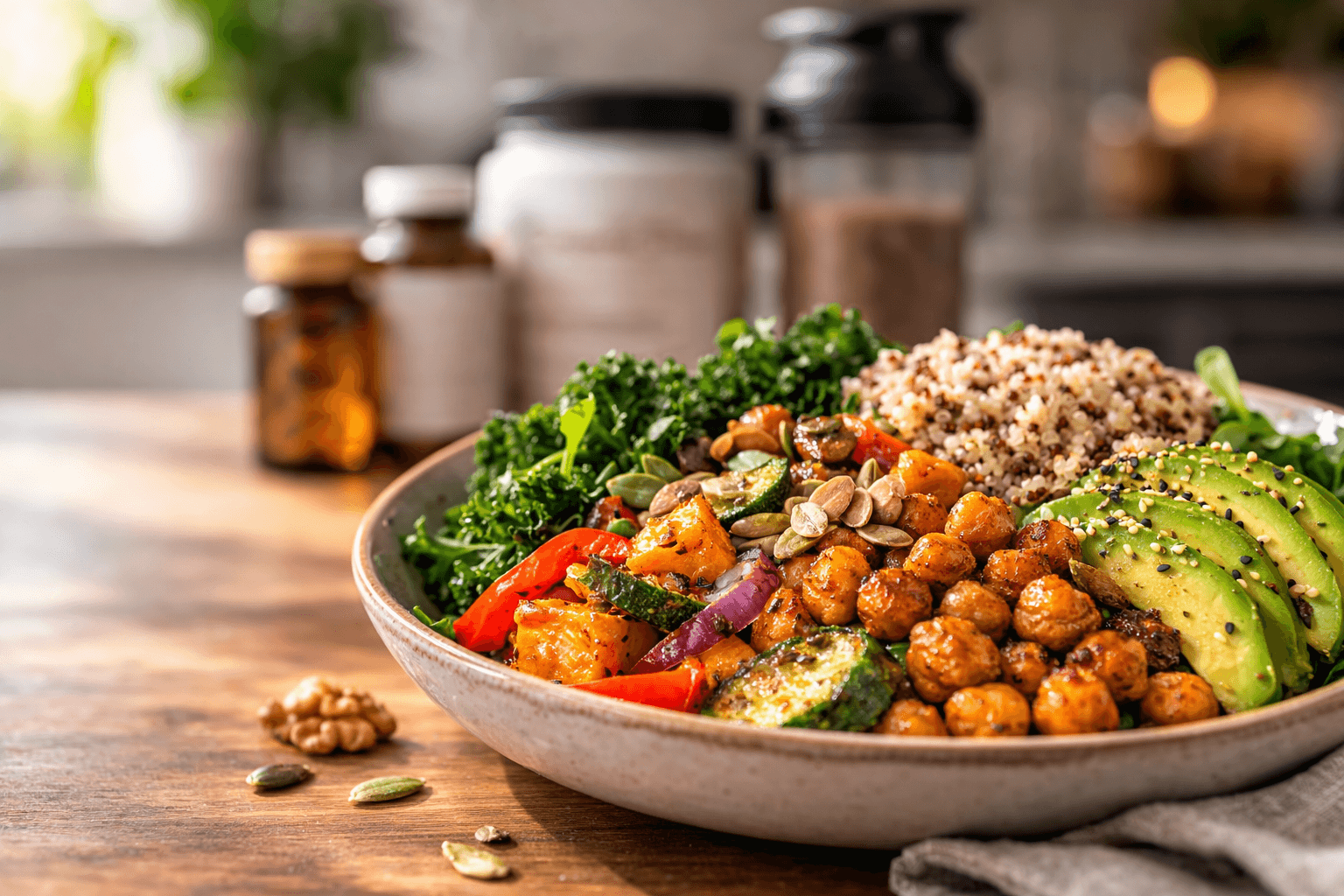
Five Diets, One Longevity Pattern: Plants Win
What do the diets linked to longer life have in common? A decade of data from more than 100,000 people points to the same answer: plant foods.
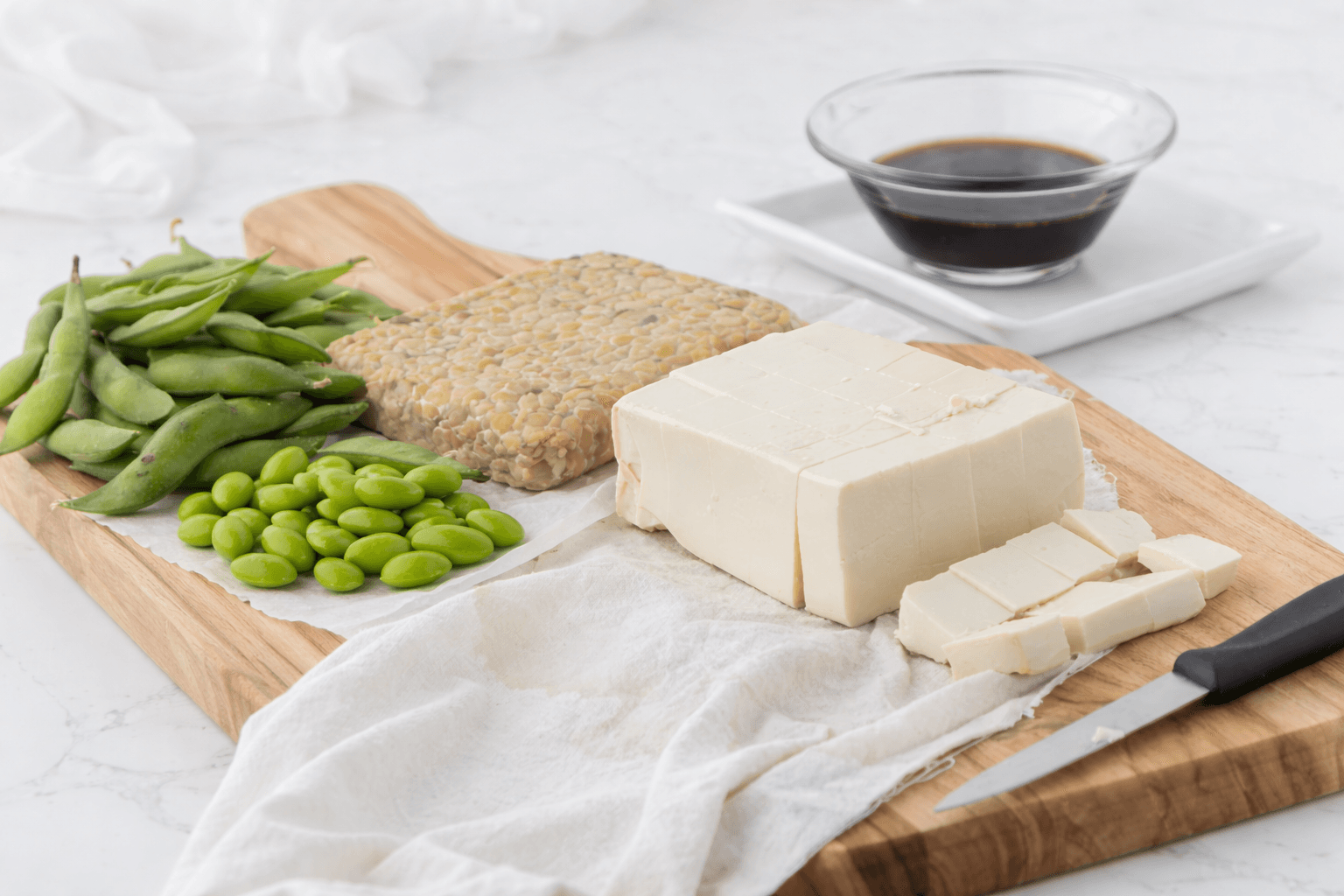
Processed Food is a Spectrum (Not a Villain)
“Processed” started as a warning and hardened into a verdict. Now the label is erasing important differences and doing work the definition can’t support.

The Heart Wants What Plants Have
Let plants be your Valentine. Fuel connection, support heart health, and show up with color, fiber, and care because love grows through mindful nourishment.
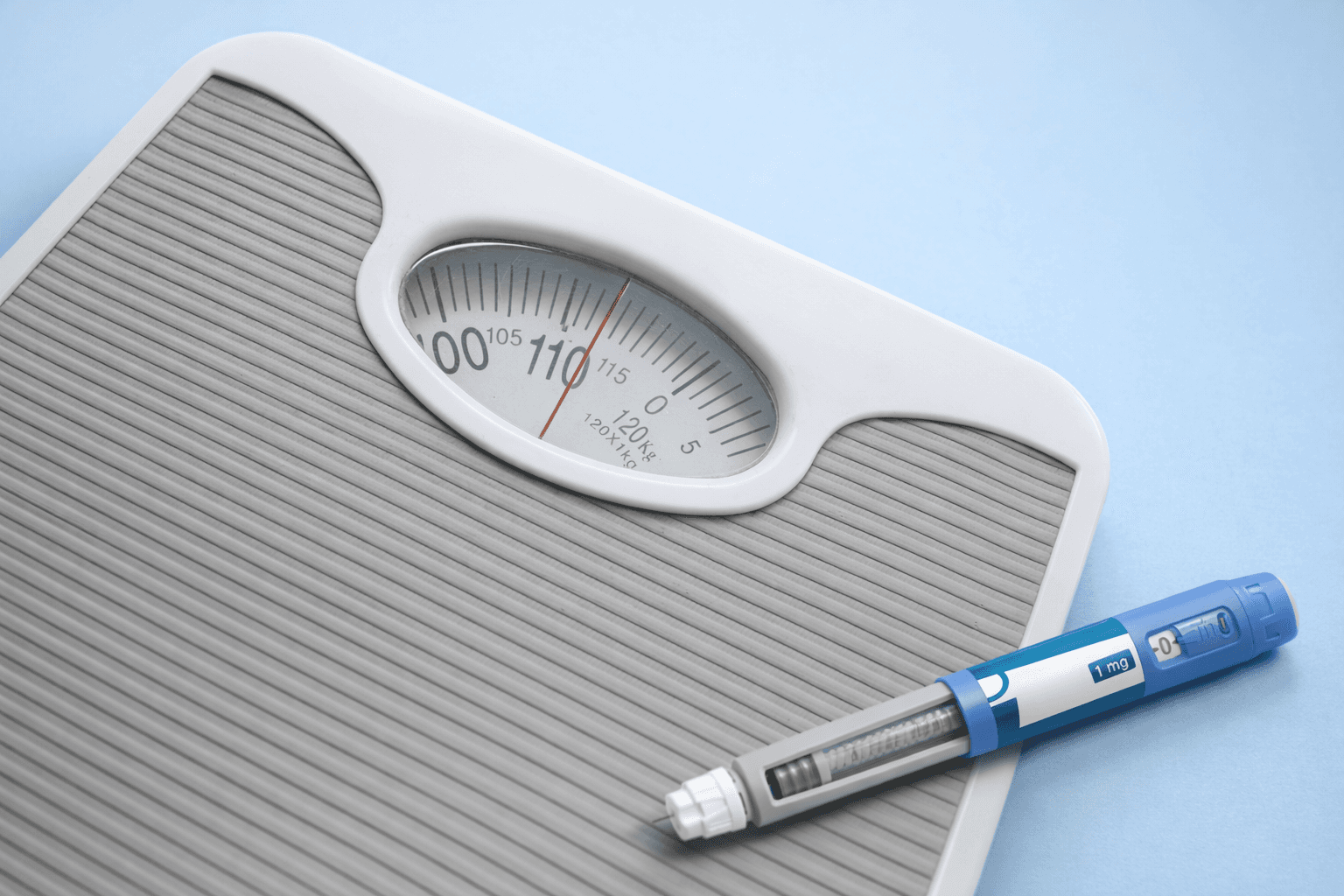
GLP-1s: A Catalyst, Not a Cure
GLP-1s can spark weight loss, but lasting health needs more than appetite suppression — it takes food skills, support, and a plan beyond the prescription.